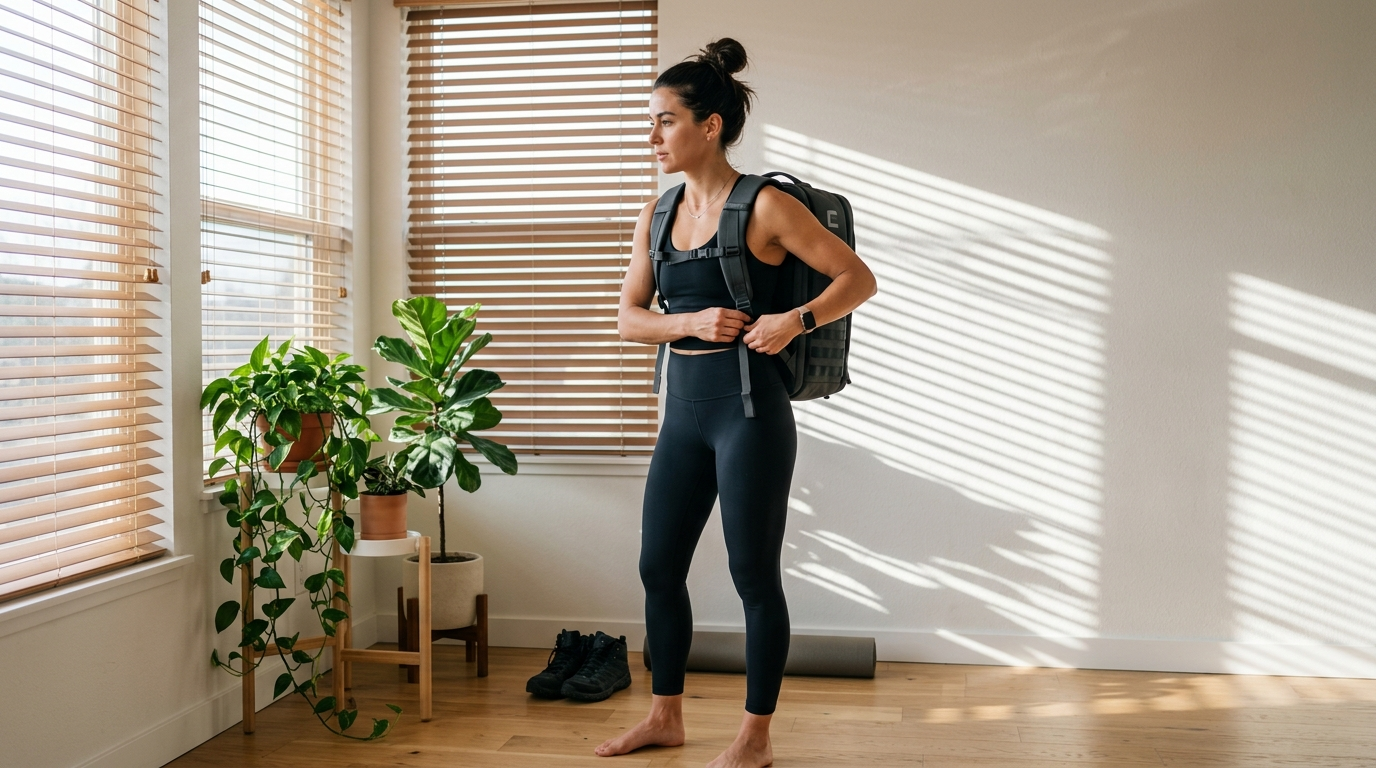
Home Workouts Made Simple

Train At Home. Eat Real Food. Keep Showing Up.

Delta Fitness brings together beginner-friendly home workout plans, nutrition advice that actually makes sense, and high-protein recipes you can cook on a normal weeknight. Everything here is built by coaches and trainers who lift, cook, and live this stuff — not content mills chasing clicks. Skip the fad diets and miracle shortcuts. We’re here for habits you’ll still have next year. At Delta Fitness, we believe in sustainable progress. Explore our latest Articles to kickstart your journey with Delta Fitness today.

Delta Fitness athlete training
Explore

Home Workouts, Meal Ideas, and Real Answers

Pick a topic and go deep — strength training, home workout routines, easy healthy meal ideas, and recovery tips, all written for real schedules, small kitchens, and bodies that get sore like everyone else’s.

Articles

In-depth fitness articles on lifting, cardio, and recovery — reviewed by real coaches, not copied off a forum.

Read Articles →

Fitness

Strength, mobility, and conditioning plans for beginners and experienced lifters alike.

View Fitness →

Health

Simple sleep, recovery, and daily wellness habits that add up over months and years.

View Health →

Nutrition

High-protein eating tips that fit real life — no detoxes, no guesswork, no meal-timing myths.

View Nutrition →

Mental Health

Practical stress relief, mindset tips, and routines that hold up when life gets messy.

View Mental Health →

Workout Library

Follow-along home workout videos for every level — most need nothing but a bit of floor space.

Browse Workouts →

Experts

Meet the coaches, dietitians, and trainers who write and fact-check everything you read here.

Meet The Team →
Articles

Fitness Articles Worth Your Time

In-depth reads on strength training, home workouts, fat loss, and recovery — written and fact-checked by working coaches and dietitians.

Why Beginners Should Start With Compound Lifts — Delta Fitness
Strength

Why Beginners Should Start With Compound Lifts

9 min read • Strength Coaching • Reviewed by Sara Bennett, CSCS

Walk into any commercial gym around 6pm and watch how people actually train for strength at home or in the weight room. A good chunk of them drift from machine to machine, working one muscle at a time, and chatting between sets. A smaller group keeps it pretty simple, sticking to a short list of big lifts — squats, presses, rows — and somehow they make faster progress with less total time in the building. That’s not a accident. Compound exercises just squeeze more strength training value into every single set, kind of like a shortcut you don’t really notice at first.

A compound movement, like a squat, deadlift, bench press, or overhead press, lights up several muscle groups at once. One set of squats can hit your quads, glutes, hamstrings, core, and even your upper back to some degree, it’s all happening together. Compare that with a leg extension machine, which basically does one job, one direction, no real “whole-body” vibe. If your time in the gym is limited, compound lifts are simply a better use of it, not just in theory but in results.

There’s also a nervous system benefit

Beyond the muscle, compound lifts teach your body to move as one coordinated unit — bending, pushing, pulling, bracing. That carries straight over to things like carrying groceries, picking up a kid, or recovering your balance when the sidewalk turns icy. A bicep curl focuses on the muscle. A deadlift trains a movement pattern, and honestly that’s the kind of skill most of your life depends on.

How to start strength training, for real

If you’re new, don’t try to learn five exercises in your first week, it’s a lot. Pick one squat variation and one hinge pattern (a deadlift or hip thrust, both work). Spend two or three weeks getting comfortable with lighter load before you start piling weight on the bar. Technique comes first, every time — the weight will show up later once the movement feels natural, stable, and repeatable.

A beginner workout plan can look kind of like this, honestly. If you’re brand new, three sessions a week is genuinely enough, because you don’t want to drown in complexity, you just want progress. Try something along the lines of squat, push, pull, and hinge. Do 3 sets of 8 to 12 reps each. That can usually land inside 45 minutes too, not more than that unless you’re chatting the whole time. And no, you don’t need a whole gym full of gadgets and machines just to get stronger. You mostly need steady practice, plus a small handful of the right basic movements, nothing overly fancy.

Zone 2 Cardio: The kinda Quiet Fat-Loss Helper — Delta Fitness
Cardio

Zone 2 Cardio: The kinda Quiet Fat-Loss Helper

7 min read • Conditioning • Reviewed by Daniel Reyes, RD

If you ask most folks about fat-loss cardio they mostly think sprints, spin class misery, or a treadmill pushed to the ceiling. Sure, hard cardio has its role, but if we’re talking long-term fat reduction, the boring thing tends to win. Zone 2.

Zone 2 sits around 60–70% of your max heart rate, think conversational pace, still working, not huffing and puffing every few seconds. In this range, your body leans more on fat as fuel. And because it’s not absolutely punishing, you can stack sessions over time without wrecking your recovery, or your mood, or whatever.

So why does this “easy” effort actually help

The big deal isn’t only the calories burned during the walk. It’s more like Zone 2 doesn’t take away recovery from your lifting days. Example: a brisk 45-minute walk today, then a solid leg day tomorrow, usually totally fine. But if you go full sends sprints the night before squats… yeah, your performance will probably say what happened.

How to set the dosage

Start with about two to four sessions per week, 30 to 60 minutes each. Brisk walking, light cycling, or an easy jog count, as long as your breathing stays steady, controlled, you know. If you can’t keep a conversation going then you’ve slipped out of Zone 2, and you’re in a tougher lane that’s useful, just not for this exact goal.

Calorie Deficits Without The Misery — Delta Fitness
Fat Loss

Calorie Deficits Without The Misery

8 min read • Fat Loss • Reviewed by Daniel Reyes, RD

Most people cut way too hard way too fast, and that’s why diets kind of fall apart in three weeks. A 300–500 calorie daily deficit is usually enough for steady fat loss, (roughly half a pound to a pound per week) without leaving you feeling totally destroyed. If you’re already in a deficit and the scale still won’t move? Then lowering calories more often isn’t the move.

Big cuts feel like real progress for a few days. After that, hunger gets more intense, training output drops, and by week three you’re staring at the whole pantry like it owes you something, right.

Protect Your Protein Intake

Keep protein pretty high, around 0.7 to 1g per pound of body weight, so muscle is better protected while fat comes off. Protein also tends to stretch out your fullness longer than carbs or fats, which means the whole dieting situation feels less painful overall.

Build In Flexibility

Diets that remove whole food groups don’t usually last through birthdays holidays, or even that random Tuesday craving. Try to have most of your plate come from whole foods, and leave a little room for what you actually enjoy , then stop chasing “perfect” like it’s a trophy you can win every day.

Spotting Burnout Before It trashes Your Training — Delta Fitness
Mindset

Spotting Burnout Before It trashes Your Training

7 min read • Recovery & Mindset • Reviewed by Maya Lin, Mental Performance Coach

Fitness culture always wants the “push through it” narrative. If you ignore burnout early, you can lose months of progress — injury, illness, or honestly just that slow fade where you no longer want to train.

Burnout sneaks up kind of smooth. Workouts start feeling more brutal than they should. Sleep stops being truly restorative, and that little pre workout spark, the one you count on… it’s basically gone

The Warning Signs

Ongoing fatigue that good sleep won’t fix, irritability showing up around training, your performance sliding even though your effort stays steady, dread before workouts — treat those like real signals instead of grinding harder.

What Actually Helps

A deload week, meaning lower volume and intensity for about 5–7 days, often gives both body and mind a reset. This isn’t weakness. Serious athletes, and yes, the pros, plan these on purpose.

Progressive Overload: The One Rule That Helps Muscle Grow — Delta Fitness
Strength Training

Progressive Overload: The One Rule That Helps Muscle Grow

8 min read • Strength Training • Reviewed by Sara Bennett, CSCS

Forget the fads and those influencer “secrets” for a sec. What’s left is pretty simple, progressive overload. Basically you keep asking your muscles to do a bit more over time—more load, more reps, more sets, or even just cleaner form. If you don’t, they simply won’t grow, not in the way you want.

Going hard four days a week is a start, sure. But if it’s always the same weight, same reps month after month, your body kinda clocks it and adapts fast, then stops. Real growth lives right at the edge of what you can currently handle, not in that safe, cozy comfort zone.

Ways to Overload Without Only Chasing More Weight

Yes, adding plates to the bar is the most obvious path, but it’s not the only one. You can tack on an extra rep or set, you can slow the lowering part of a rep, you can cut your rest periods a little, or you can improve your range of motion on a move you’ve been doing half-way. All of these things create a new stimulus for your system to respond to. That’s the point.

How Fast Should You Progress ?

If you’re a beginner, you can often push small increments almost every session for a few months. After that early momentum slows down, switching to weekly progression , or even monthly progression, can work better. Track it honestly in a notebook or an app and you’ll keep moving forward without having to make dangerous, “feel-good” jumps in weight just to prove something.

Warming Up, sorta right: Five Minutes That can prevent months of setbacks — Delta Fitness
Injury Prevention

Warming Up, sorta right: Five Minutes That can prevent months of setbacks

6 min read • Injury Prevention • Reviewed by James Okafor, Physical Therapist

When your time is tight, skipping the warm-up feels kind of reasonable. But it’s also one of the fastest routes to getting hurt. And honestly, one setback can cost you way more gym days than those five minutes ever gave back.

A real warm-up isn’t just about sweating, not really. It’s more like easing your system into the day’s demands—slowly nudging up your heart rate, getting circulation moving through the muscles you’ll use soon, and kind of rehearsing the exact motion pattern of your workout at a gentler effort, so your body doesn’t get shocked by that first heavy set.

A simple rhythm that actually works

First do two or three minutes of easy cardio , like light cycling, jogging, or jumping jacks, just to bring your core temperature up. Then add dynamic stretching and a few mobility drills for the joints you’re about to put under load. After that, do one or two warm-up sets for your first exercise, using a lighter weight before you jump into the real working sets.

Especially don’t skip it on the heavy days

The heavier the training session gets, the more the warm-up matters. Cold muscles, and stiff joints, they just aren’t set to handle near-maximal loads in a safe way, no matter how seasoned you are, or how “clean” your form tends to look.

How many rest days do you need? — Delta Fitness
Recovery

How many rest days do you need?

7 min read • Recovery • Reviewed by James Okafor, Physical Therapist

There isn’t one universal “rest day” number, even if a fitness influencer tries to be super confident and nail it down. What you actually need for recovery depends on training intensity, sleep quality, stress levels, age, and your training history, and those factors can change enough from person to person that a single rule just doesn’t hold for long.

So rather than counting rest days like appointments on a calendar it’s often wiser to notice how specific muscle groups are feeling. Most muscle groups usually need around 48 hours before they’re genuinely ready for another hard session, which is also why well built programs spread the same muscle areas out instead of pounding them every single day.

When recovery isn’t keeping pace

If soreness is still hanging around after 72 hours, or a lift suddenly feels more difficult than it should, or your sleep starts getting noticeably worse, take that seriously. Those can be classic hints that your training volume or load has started going faster than your recovery can manage.

Rest doesn’t have to mean total stillness

A rest day can still include some gentle movement. A walk, a bit of easy mobility work, or a straightforward swim can support circulation and help recovery along, without adding a big extra layer of stress on top of what your body is already dealing with.

Free Weights vs Machines: so what should you really use? — Delta Fitness
Strength Training

Free Weights vs Machines: so what should you really use?

7 min read • Strength Training • Reviewed by Sara Bennett, CSCS

Honestly this whole debate is treated like some kind of rivalry far more than it should be. Free weights and machines aren’t true enemies, they’re just tools with different jobs, and the people who get the best results usually end up using both instead of betting on only one.

Free weights, like barbells and dumbbells, ask you to stabilize more, they recruit extra supporting muscles, and they often carry over more cleanly to real-life strength and movement patterns. That part is a real benefit, but it also has a tougher learning phase, plus a higher injury risk, if your technique starts wobbling when you’re tired.

Where Machines tend to win

Machines sort of handle the “track” for the motion, so they’re especially helpful when you’re newer, still sharpening body awareness, also when you want to isolate one muscle without other muscles hijacking the effort. They’re also a solid option when you’re nearing the end of a session, because you can push closer to failure in a steadier way, rather than relying on your free-weight form to stay perfect every last rep.

A practical way to combine them

A pretty common, and very workable plan is to center your workout around one or two free-weight compound moves while you still feel fresh, then finish with machine-based isolation once fatigue makes “perfect free-weight form” harder to keep. This way you get the good stuff from both worlds, without making yourself choose a side you don’t actually need to pick.

How To Start Training Again After Years Off — Delta Fitness
Beginners

How To Start Training Again After Years Off

8 min read • Beginners • Reviewed by Sara Bennett, CSCS

Something always ends up in the way between “I used to be in shape” and now—like a demanding job, a move, a nagging injury, having kids, or simply a few years that slid by without much movement. Getting back into it, the actual workouts themselves usually aren’t the hard part. It’s more about not comparing yourself to the person you used to be, somehow.

The most common mistake is training like your old self instead of the person you are right now. If you used to run five miles or squat your bodyweight, your brain still keeps that number saved somewhere, but your joints and cardio have changed, they don’t ask permission. Trying to resume exactly where you stopped years ago is usually the reason people end up hurt within the first couple weeks, like clockwork.

Go smaller than it feels you “should”

For the first couple of weeks, sessions should feel almost too easy—think 20 to 30 minutes, two or three times a week, whether that’s a walk, a light bodyweight circuit, or an easy bike ride. You’re not hunting for fitness goals yet. You’re proving you can keep showing up, without pain or even a bit of dread ,which matters way more long term than one “amazing” workout.

Soreness is okay ,sharp pain is not

Some muscle soreness in those first couple weeks is normal and it usually peaks a day or two after training. Sharp pain, joint pain, or soreness that keeps creeping upward instead of easing off, that’s a different situation. In that case it’s not “push through” time, it’s usually a sign the load, or the technique needs tweaking.

Consistency before intensity

People who return successfully after a long pause almost always put showing up first , not going hard. Four pretty steady 25 minute sessions this month will do more for you than one aggressive comeback workout.

Walking for Weight Loss: how far, how often, how fast — Delta Fitness
Weight Loss

Walking for Weight Loss: how far, how often, how fast

7 min read • Cardio & Weight Loss • Reviewed by Daniel Reyes, RD

Walking is sometimes brushed off as “not really a workout” or whatever, and yeah it’s kinda unfair, because it really shows up a lot in the routines of people who managed to lose weight and then stayed consistent. It’s low impact, no equipment required, it doesn’t wreck your recovery that much— and because of that, it’s one of the few cardio things most people will actually keep doing for years, not just for a short phase.

For fat loss specifically, how far you walk tends to matter more than how fast you walk. A comfortable 45 minute meander can burn a pretty solid amount of calories, and since it doesn’t hammer you, it’s way easier to repeat it five or six times a week, than to go hard once then kinda stall out.

What step count actually matters

About 8,000 to 10,000 steps per day is a pretty fair target, but honestly any steady increase from where you already are counts. If someone is doing, like 3,000 steps a day and then moves to 6,000, they often notice a bigger relative win than someone already at 9,000 trying to push to 12,000.

Add incline before you add speed

Once a flat route feels like “meh”, you don’t need to jump straight into jogging to level up. Incline, a weighted vest, or just picking a hillier path can raise the burn without adding the kind of joint stress that running tends to bring.

Why it goes well with lifting

Walking barely steals recovery in the way more intense cardio sometimes does, so many folks can walk daily and still show up for lifting sessions feeling mostly fine. That’s a big reason it often wins, over time, compared with harder cardio for fat loss.

Signs Of Overtraining Most People Miss — Delta Fitness
Recovery

Signs Of Overtraining Most People Miss

7 min read • Recovery • Reviewed by James Okafor, Physical Therapist

Overtraining gets this reputation like it only shows up for elite athletes doing those intense double sessions, but it shows up all the time for regular gym-goers too— mostly in people who think “more” somehow equals “better” and they never really put in a true recovery week.

The tricky thing is that overtraining almost never “announces” itself in a clean way. It’s not like a sudden injury. It more feels like you’re slowly not doing as well with stuff you used to manage easily, plus this odd growing vibe that training stopped being enjoyable, like it just became something to get through.

Signs Worth Taking Seriously

A resting heart rate that’s clearly higher than usual first thing in the morning, sleep that never feels restorative even if you got enough hours, small nagging joint discomforts that werent there before, getting sick more than normal, and a kind of flat mood around training that you can’t really explain— these are all signals to watch together , not just one at a time.

Why It’s Easy To Miss

In the early stages most people assume the answer is to push harder, because progress has always meant more effort. But honestly, the “fix” is usually the reverse— a real deload week with reduced volume and intensity, and then often, pretty quickly, your performance looks better once recovery finally catches up.

How To Stay Ahead Of It

Put a planned lighter week into your program every four to six weeks, monitor your resting heart rate a few mornings each week, and treat sleep like it’s non-negotiable in your training plan not some last-minute afterthought. Do that and you’ll prevent most cases of overtraining before they turn into something bigger.

Strength Training For Women Over 40: What Changes — Delta Fitness
Strength Training

Strength Training For Women Over 40: What Changes

8 min read • Strength Training • Reviewed by Sara Bennett, CSCS

A lot of the talk around strength training for women over 40 either makes it too fancy with hormone specific stuff that really isn’t super well backed up, or it kinda shrinks the whole picture by treating women like they only need advice for staying lightly active. Both ends feel not so helpful, honestly.

What *actually* changes after 40 is that muscle tissue and bone density tend to drop faster unless you’re doing resistance work to counter it, so lifting weights stops being some optional “maybe later” thing and turns into a long-term health focus, right there with cardiovascular training.

You Can Lift Heavier Than You Think

One of the usual mistakes is living forever in the light weight, high rep area, mostly because of fear of “bulking up” or just worrying about getting hurt. But building strength for real means using loads that feel tough, like truly challenging, for the final two or three reps of a set. Light dumbbells and endless reps, mostly create local muscular endurance, not the strength and bone density gains that matter most here.

Recovery Deserves More Attention

Recovery ability does shift with age a bit, so the quality of your warm-up, your sleep, and how you space hard sessions for the same muscle groups… it starts mattering more than it did in your twenties. That’s not a reason to train less, more like a reason to train a little wiser, maybe even slightly adjusted around your real limits.

A Realistic Starting Structure

Two or three full body strength sessions per week, centered on squats, hinges, presses, and rows, with a proper warm-up, plus a few minutes of mobility thrown in, gets you most of the results that count. No crazy gear, and no complicated periodization needed, before you even begin.

Building a Home Gym On A Tight Budget — Delta Fitness
Home Training

Building a Home Gym On A Tight Budget

7 min read • Home Training • Reviewed by Sara Bennett, CSCS

You don’t really need a rack, a barbell, and some rubber-floored garage to train with intent at home. A lot of what actually moves the needle in a home workout— consistency, progressive overload, and a decent bit of variety— can come from a pretty small, cheap equipment list. Like honestly, it’s easier than people think.

Start With These Three Things

To get going, think adjustable dumbbells (or a couple fixed pairs that cover light, medium and heavy) plus one or two resistance bands, and a sturdy box or bench. With that combo, you can cover most of the moves you’ll ever need for a full-body setup. Usually, the whole thing costs less than a few months of a regular gym membership, and it doesn’t “expire” the way programs sometimes do.

What You Can Skip , At Least Initially

Cable machines, specialty bars, and most “as seen on TV” gadgets are, for the most part, not a good early buy. Bodyweight training paired with a modest dumbbell range will carry you through months of strength work, before you start to genuinely feel limited.

Making Small Spaces Work

A closet, a corner in a bedroom , or even a small slice of a living room is enough space for most home sessions. A cheap interlocking foam mat helps protect your floors and your joints at the same time, and folding, or stackable gear keeps the whole thing from taking over when you’re not using it.

When Upgrading Makes Sense

Once bodyweight plus light dumbbell work stops being challenging— for many beginners this is usually after a few months— the next logical upgrade is a pull-up bar. After that, go for heavier dumbbells or a barbell setup , depending on what fits your space and budget best.

What “Toning Up” actually means (and how to do it) — Delta Fitness
Body Composition

What “Toning Up” actually means (and how to do it)

6 min read • Body Composition • Reviewed by Sara Bennett, CSCS

“Toning” is one of those goals everyone wants, but it’s also kinda one of the least clear. There isn’t some separate “toning muscle” that reacts to a special kind of training like magic, instead people are usually pointing at a very specific mix: noticeable muscle shape, plus a low enough layer of body fat sitting over it, so the muscles you’ve got can be seen.

So when someone tries chasing that “tone” just by using lighter weights and lots of reps, and they carefully try not to do anything that could “grow” muscle too much, it often ends up kind of… not the look they expected. The “toned” appearance most folks mean depends on the same two ingredients most physique goals need: adding muscle with strength work, and getting lean enough that muscle definition shows.

Why high reps alone kind of fall short

Lots of light dumbbell sets, like endless curls, can help with muscular endurance, sure. But they usually don’t create enough muscle growth to visibly change your shape. Real strength training, where you lift a load that pushes you in a rep range around six to fifteen, generally does more for the look people are actually after.

Nutrition does more than people think

You can train your plan perfectly, and still not get that toned look if your body fat stays high enough to cover the muscle you’re building. For this, a small but steady calorie deficit, together with enough protein—usually matters more than adjusting workouts, rep schemes, or doing some extra “feel good” routine.

A simpler way to picture it

Aim to build muscle with real strength training two to four times a week, keep fat loss moving with consistent eating, and make sure your meals lean heavily on protein. Then, just give it time—visible muscle definition typically takes at least eight to twelve weeks of steady effort before it really starts showing.

Fitness

Follow A Plan, Not A Guess

Strength training, conditioning, and mobility work — including home workout plans — you can repeat and track week after week.

A 10-Minute Mobility Routine For People Who Sit At A Desk — Delta Fitness
Mobility

A 10-Minute Mobility Routine For People Who Sit At A Desk

5 min read • Mobility • Reviewed by Sara Bennett, CSCS

Just ten minutes a day, to kinda undo what eight hours at a desk does to your body.

After eight hours at a desk, your hips feel tighter, your shoulders round forward, and your upper back starts to get stiff, even before you fully clock whats happening. And you don’t need one of those hour-long routines. Ten steady minutes each day helps your joints stay in motion the way theyre supposed to.

The Routine

Begin with about two minutes of hip flexor stretching on each side, because that’s usually where the tightness shows up first from sitting. Then do a minute of thoracic spine rotations to pull back the desk-thumped, rounded-shoulder posture, and finally hit ankle circles along with a few deep squats, to wake up the rest of your lower body too.

Why Keeping It Consistent Beats “Go Big”

A little mobility every day beats one intense stretch session on Sunday, no question. Your body tends to respond better to calm, frequent signals — think of it like brushing your teeth, not like some long, annoying workout you keep postponing.

Linear vs undulating progression which fits you ? — Delta Fitness
Programming

Linear vs undulating progression which fits you ?

8 min read • Programming

With linear progression you add a small, predictable amount of weight to the bar each session. It’s straightforward, kind of motivating, and honestly pretty solid for beginners who still bounce back quickly between workouts. Undulating progression though, changes the intensity and volume from day to day , so it matches lifters whose strength growth has started to feel slower.

When Linear actually makes sense

If you’re in your first six to twelve months of structured training, linear progression is usually the better choice. Your nervous system is still adapting fast to the new stress you’re giving it. so those tiny weekly increases keep working much longer than people with more experience tend to see.

When to switch to undulating

Once your linear progress stops — usually when you can no longer add weight on every single session — undulating programming helps you stay moving forward. You rotate heavier, medium and lighter days inside the same week. This gives your body a more varied stimulus, without always asking you for fresh personal records.

Soreness isnt really the same thing as being productive — Delta Fitness
Recovery

Soreness isnt really the same thing as being productive

6 min read • Recovery

Soreness isnt really the same thing as being productive , or at least not in the way some people assume. It isnt exactly “proof” you busted your tail. There’s a simpler way to check if you’re recovering alright ,

A lot of lifters treat soreness like evidence that a workout “worked”. But most of the time it just means unfamiliar stress landed on that muscle , not that you racked up the most real progress possible. You can absolutely make steady strength gains from sessions that leave you feeling only mildly sore , or kind of… not sore at all.

What soreness mostly means

Delayed onset soreness, usually shows up because of the lowering part of a rep , and because you did a movement your body isnt used to. So when you try something new , or you come back after time off , you may feel more achiness than you would from your regular routine. Even if that routine is doing more for your long term strength.

What to watch instead

Keep an eye on whether your lifts are going up week to week. Also watch if your energy stays level through the whole training block. And note if your joints feel stable , rather than constantly “tender” or kind of cranky. Those three signals tend to tell you more than soreness ever will , so you can stop guessing quite so much.

No Gym? No Problem: A Bodyweight Plan — Delta Fitness
Home Workouts

No Gym? No Problem: A Bodyweight Plan

9 min read • Home Training

You can get strength from bodyweight exercises. You just need some floor space and maybe a pull-up bar. That is it. You do not really need a lot of dumbbells to build strength. What you need is a few bodyweight movements and a plan that makes them harder over time.

Push-ups, squats, lunges and rows can work most of the muscle groups without any gear. You can use a sturdy table edge for rows. This makes for a workout at home.

A simple plan is to work out three times a week. Do one day of push-ups, pike push-ups and dips on a chair. Do one day of rows inverted holds and towel pulls. Do one day of squats, lunges and glute bridges. This way each part of your body gets time to rest.

When a movement becomes easy do not just do more of them. Change the way you do it. You can elevate your feet for push-ups. Slow down the tempo. You can also try doing it on one leg. These small changes make bodyweight exercises harder, for a time. Even after you are not a beginner anymore bodyweight training can still be tough.

Building A Pull-Up From Zero — Delta Fitness
Strength

Building A Pull-Up From Zero

7 min read • Strength

A kind of step by step ramp to your first strict pull-up, no bands needed really.

Going from zero pull-ups to that first clean strict rep is one of those super satisfying strength moments, and honestly it’s usually possible with a solid sequence in place— even if right now you can’t do a single one. The big trick is drilling the movement groove, not just crossing your fingers that your back gets stronger overall.

Step One: Start With Pulling Volume

Begin with inverted rows using a low bar or a stable table. This way you get to repeat the same “pulling” motion pattern at a difficulty you can actually handle, and it transfers pretty well to pull-up strength once you can do three sets of ten without feeling wrecked.

Step Two: Introduce Negatives And (Optional) Assistance

Climb or step up to the top position of a pull-up and then lower yourself as slowly as you can. That slow descent helps the eccentric part, which is often the missing element. If you want, loop resistance bands over the bar too, they’ll help the upward phase while you work toward full unassisted reps.

Start Small And Separate The Sessions — Delta Fitness
Conditioning

Start Small And Separate The Sessions

6 min read • Conditioning

Go with one or two quick conditioning sessions per week, preferably on days that are different from your hardest lifts. Or, if you can’t, keep a few hours between them, so the grogginess from one doesn’t leak into the other.

Watch Your Recovery, Not Just Your Effort

If your lifts start feeling flat, or your drive to train just drops off, that’s often your cue that the conditioning volume has sprinted past your recovery capacity. Scale it back before it starts paying the price, like strength progress slowing down.

Best Stretches For Lower Back Pain From Sitting — Delta Fitness
Mobility

Best Stretches For Lower Back Pain From Sitting

5 min read • Mobility

Five stretches that kind of zero in on what your desk job locks up.

Long hours of sitting do two things, first they shorten your hip flexors a bunch, then they weaken your glutes , and that little combo keeps pulling on your lower back all day long, until by evening it finally starts complaining. The good part is , a small set of aimed stretches, when you do them regularly, helps most people unwind a lot of that.

Five worth trying everyday

You’ll want a kneeling hip flexor stretch, a seated spinal twist, knee to chest, cat-cow, and a soft child’s pose. Hold each one for 30 to 45 seconds per side and breathe slow, no bouncing in and out like it’s a workout jump.

Stretching isn’t cutting it

If the tightness keeps showing back up even with steady stretching, it’s often less about flexibility alone and more about support—weak glutes and a weaker core. In that case, adding bridges and planks through your week along with the stretches usually makes the change last.

How Long Should You Rest Between Sets? — Delta Fitness
Programming

How Long Should You Rest Between Sets?

5 min read • Programming

People like, underestimate this… but rest intervals can change what happens way more than most lifters think.

A lot of lifters treat rest time as this after thought, but actually resting too little , or way too much for your goal can genuinely shift the results you’d get from the same exact exercises. It’s kind of wild, right?

For Strength And Power

If you’re aiming to lift heavier, rest about two to five minutes between sets on your main lifts. Your nervous system wants that time to fully regain control, so each set feels like it can be done with real intensity instead of just “pushing through” accumulated tiredness.

For Muscle Growth And Fat Loss

For muscle building and fat loss, sixty to ninety seconds usually hits the sweet spot for most hypertrophy routines. It keeps the session moving, yet gives you enough recovery to stay locked in with solid form across sets. If you’re resting less than 45 seconds, that tends to fit more with conditioning efforts than with pure muscle growth, so, be aware of that mismatch.

Health

Small Daily Habits That Add Up Over Years

Better sleep, less stress, proper hydration, and small daily choices matter more than any single workout ever will.

Why 7 Hours Isn’t Always Enough — Delta Fitness
Sleep

Why 7 Hours Isn’t Always Enough

6 min read • Sleep Science

Sleep quality matters just as much as the amount , and yeah small evening changes can make a bigger difference than people think.

The “8 hours a night” rule gets tossed around so much it’s easy to forget that sleep needs can vary in a pretty real way from one person to another, plus the quality is doing heavy lifting too not just the plain number of hours you end up clocking.

Quality over Quantity

If you’re getting frequent awakenings , or you’re having late caffeine, and you’re stuck on screens right before bed, it can fracture your sleep cycles even if you’re technically in bed for seven or eight hours. Then you feel worn out anyway , like you did everything “right” but it still doesn’t land.

Small Evening Changes That Help

Stopping caffeine by early afternoon, dimming the lights about an hour before sleep, and keeping a steady wake time — including weekends — usually improves sleep quality more reliably than trying to add extra hours of lying around.

How Much Water Do You Need? — Delta Fitness
Hydration

How Much Water Do You Really Need?

4 min read • Daily Habits

Eight glasses a day, right? it’s mostly a myth. Here’s a more relaxed way to figure it out.

That well known “eight glasses” rule doesn’t really come from strong science — what you actually need shifts a lot based on body size, how active you are, the climate, and even how much water rich food you already eat.

A More Helpful Guideline

A steadier, practical check is urine color — a pale yellow tone usually means you’re in good shape, while dark urine again and again is a clue that you should drink more. it kind of tunes itself to you, rather than forcing one fixed amount on everyone, which feels more natural.

When You Need More

If it’s hot out, if you’re doing intense training, or if your meals are higher in sodium, your fluid needs tend to rise, so treat hydration like a flexible thing you adjust day to day instead of a number you must reach no matter what.

Cortisol Isn’t The Enemy — it’s Chronic Stress That is — Delta Fitness
Stress

Cortisol Isn’t The Enemy — it’s Chronic Stress That is

7 min read • Stress Management

The real damage shows up when there isn’t a real recovery window between stressors, like ever

Cortisol gets blamed for everything, from weight gain to weird sleep patterns, but it’s actually a normal, necessary hormone that helps you get up in the morning, respond to challenges and do your best under pressure. The trouble begins when stress never gives your body enough time to settle, so cortisol levels don’t really come down.

Acute Stress Versus Chronic Stress

A hard workout or a deadline that feels like it’s on fire spikes cortisol for a bit, and yeah that’s totally fine, even useful. But chronic, ongoing strain — like money worries, poor sleep, relationship stress — can keep cortisol higher for weeks, or months, and that’s when the damage starts piling up, especially for recovery and overall health.

Building in Recovery Windows

The point isn’t to cut stress out entirely, because that just isn’t realistic, but to create genuine recovery gaps between the intense stretches. Think good sleep, real downtime, and activities that actually calm you down rather than just distract you, even slightly.

What your resting heart rate is telling you — Delta Fitness
Heart Health

What your resting heart rate is telling you

A lower resting heart rate usually means better fitness, but honestly the whole context matters, more than one single reading, every time.

5 min read • Cardiovascular Health

What Your Resting Heart Rate Is Telling You

5 min read • Cardiovascular Health

Your resting heart rate is one of the simplest health metrics you can measure at home, and a lower number typically hints at a more capable, well-prepared heart… though one moment, it rarely tells the complete story by itself.

What’s Considered “Normal”

Most adults tend to fall somewhere between 60 and 100 beats per minute while at rest. Some well-trained endurance athletes can even slip into the 40s, but for everyday people it’s really more about patterns than chasing a perfect count.

When you should pay attention

If your resting heart rate suddenly goes higher than your usual baseline that can be a signal for several things, like rough sleep, getting sick, overtraining, or just high stress. It becomes an early, practical heads-up, something worth checking consistently, rather than dismissing it.

Daily Habits Behind People Who Age Well — Delta Fitness
Longevity

Daily Habits Behind People Who Age Well

8 min read • Healthy Aging

It’s rarely one big thing, more like a pile of small doings… you know, walking, lifting and sleeping the right amount , over and over, for decades.

People who stay sturdy, mobile and mentally clear well into their later decades seldom brag about some one secret habit. it’s usually a handful of plain, everyday practices done consistently for years , not some huge dramatic fix that “saves” you overnight.

Movement That Doesn’t Quit

Strength training that happens regularly and daily walking keep showing up in studies about healthy aging, because they help keep muscle mass and bone density from sliding downhill with time, if you don’t challenge them.

Sleep , Connection, And Purpose

Consistent sleep, supportive social ties and a genuine sense of purpose also line up with healthy aging. and honestly, physical health and the rest of life are way more tied together than most people think.

Immunity Boosting immunity without a single supplement — Delta Fitness
Immunity

Immunity Boosting immunity without a single supplement

6 min read • Immune Health

like really Sleep movement and whole foods do more than most supplements on the shelf

Immunity-boosting supplements fill half the store, but the day-to-day habits with the strongest evidence behind them are sort of less flashy: steady sleep, regular movement, and a diet centered on whole foods

Sleep is the actual base

Bad sleep measurably lowers immune function within a few nights, so it’s one of the most impactful things to fix if you’re getting sick often—before you ever reach for a pill bottle

Moderate movement, not extreme

Consistent, moderate exercise supports immune health but very intense training, without enough recovery can temporarily dampen it. Another reason recovery deserves as much attention as the sessions themselves, not less

How To Improve Sleep Quality Naturally — Delta Fitness
Sleep

How To Improve Sleep Quality Naturally

6 min read • Sleep Science

No supplements needed—just a few small evening changes, honestly, they make the biggest difference, like more than people expect.

Before reaching for melatonin or some other sleep aid, most people can make their sleep better in a meaningful way, by adjusting a handful of habits that kind of quietly work against them every single night without them noticing.

Fix your light exposure first

Bright light late in the evening, especially from phones and those overhead lights, pushes back the body’s normal melatonin release. Try dimming everything about an hour before bed, and getting real daylight earlier in the day too. It helps nudge that inner clock back into place.

Keep a consistent schedule

Getting to bed and waking up at about the same time, every day, including weekends, does more for sleep quality than nearly any other one change. The reason is pretty simple: your body really depends on that rhythm.

Watch the small stuff

Caffeine after early afternoon, a bedroom that’s running too warm, and alcohol close to bedtime can break up sleep stages even when it doesn’t feel obvious at the moment. Reducing these a bit is usually the quickest and also the least expensive fix you can try.

Desk Job Habits That Are Quietly wrecking Your Posture — Delta Fitness
Posture

Desk Job Habits That Are Quietly wrecking Your Posture

5 min read • Daily Habits

Small daily fixes matter more than some pricey ergonomic chair, honestly

Posture problems from desk time rarely start with some big dramatic slouch. They kinda stack up slowly from little habits that you repeat hundreds of times a day, and that’s exactly why small daily corrections tend to help more than an expensive chair alone.

The Habits That Matter The Most

Screens parked a bit below eye level, phones held in that awkward spot between ear and shoulder, and sitting with your weight pinned to one hip are the three usual suspects. Each one nudges your spine just slightly out of alignment for hours, like it’s no big deal… until it is.

Fixes That Actually Work

Raise your monitor up to eye level. Use headphones or speakerphone instead of “cradling” your phone, and stand up to move for a minute or two every half hour. Do that consistently and you’ll probably get more for your posture over a year than any single stretching routine on its own.

Nutrition

Fuel Your Training, Don’t Starve It

No fad diets or banned foods — just practical, high-protein nutrition tips that support your training and real everyday life.

How Much Protein Do You Really Need? — Delta Fitness
Protein

How Much Protein Do You Really Need?

6 min read • Macronutrients

The right number really depends on your goals and how much you move—not exactly a one size fits all label rule.

Protein recommendations online can bounce around, from the bare minimum you need so you don’t get into deficiency territory, to bigger numbers that feel like they’re there for supplement companies. The actual right amount, is more about your goals and activity level than some universal figure.

For General Health

If you’re mostly sedentary, about 0.36 grams per pound of body weight is enough to cover basic needs —but most folks who train, end up doing better with quite a bit more than that baseline.

For Muscle Building or Fat Loss

A solid, evidence backed range sits around 0.7 to 1 gram per pound of body weight. That’s for people strength training, or trying to lose fat while keeping muscle, pretty straight forward. Going meaningfully higher than that usually doesn’t add much in the way of extra gains, despite the hype, so it’s often more than you need.

Does Meal Timing Matter? — Delta Fitness
Meal Timing

Does Meal Timing Matter?

6 min read • Meal Planning

We cut through all the internet myths and go with what the studies actually backs, not whatever people say in a rush.

Internet fitness culture, really enjoys strict meal timing rules eat within thirty minutes of training never eat carbs after 6pm ,and so on but honestly most of it matters way less than your total daily intake, plus the overall diet quality you keep doing.

What The Research Actually Shows

For most people total protein and calories through the whole day matter more than the exact placement of meals. That so called anabolic window after training isn’t this tiny thirty minute emergency window it’s usually described as, it’s more like several hours on either side, and that’s generally fine, no dramatic consequences.

When Timing Does Matter More

If you’re a competitive athlete training more than once a day, or someone who trains fasted for long stretches, then more intentional timing can help you squeeze out better results. But for the everyday person training a few times a week, consistency is the bigger deal than precision.

The Only 3 Supplements Worth Your Money — Delta Fitness
Supplements

The Only 3 Supplements Worth Your Money

5 min read • Supplementation

Most supplements are kinda a waste of money. These three though, they actually have good evidence behind them, like real human studies not just hype.

Supplement aisles are packed with products that promise big dramatic results, but yeah usually only a small handful have strong, steady evidence backing them up — and none of them can replace a solid diet plus a training plan.

Creatine Monohydrate

This is one of the most researched supplements around. Creatine helps reliably with strength and power output, and it has a solid safety record across decades of study too.

Protein Powder And Vitamin D

Protein powder is basically a convenient way to get your protein goal done when whole foods just aren’t practical, and vitamin D is worth thinking about if you’re getting limited sun exposure. Deficiency is common, and it’s also easy to test for in the real world.

Meal Prepping For Folks Who Don’t Want To Meal Prep — Delta Fitness
Meal Prep

Meal Prepping For Folks Who Don’t Want To Meal Prep

6 min read • Meal Prep

Kinda simpler, more adaptable way of prepping food that actually holds up.

Old school meal prep—like cooking five identical containers of chicken and rice every Sunday—can kinda burn people out fast. But there’s a more flexible method that keeps the same “grab and go” benefit without the same, same boredom.

Prep the pieces, not the whole plate

Instead of stacking full meals ahead of time, cook proteins, grains, and roasted veggies in batches, then combine them later all week. That way you get variety, without extra cooking time, or that “ugh, not again” feeling.

Keep it in the realm of realistic

Rather than planning for literally every single meal of the week, prep for just two or three meals worth ahead. It’s way more sustainable, and you still get real time savings on the hectic days

Calorie Deficits…without the Misery — Delta Fitness
Weight Loss

Calorie Deficits…without the Misery

8 min read • Fat Loss

A smaller deficit than you might think—here’s how to shed fat without all that annoying suffering.

Most folks go in too aggressive, too soon. And that’s exactly why the diet thing just… fades by week three. A 300–500 calorie daily deficit is often plenty for a steady pace (think roughly half a pound to a pound per week) without you feeling completely drained. If you’re still in a deficit, but the scale doesn’t move, cutting even more calories usually isn’t the answer.

Big calorie cuts feel like they’re doing something for a few days. Then, suddenly hunger is loud, workouts feel weaker, and by week three you’re kinda stalking the pantry like it owes you money, right?

Guard Your Protein, First

Keep protein pretty high—roughly 0.7 to 1g per pound of body weight—so your body holds onto muscle while the fat decreases. Protein also tends to be more filling than carbs or fats, so the whole dieting phase feels less like a grind.

Add Some Flex To The Plan

Diets that remove whole food groups never really last through birthdays , holidays, or that random Tuesday craving. Aim for most of your plate to be whole foods, leave a little space for what you actually enjoy, and stop trying to chase “perfect” like it’s some final boss.

Reading Nutrition Labels Without The Confusion — Delta Fitness
Food Literacy

Reading Nutrition Labels Without The Confusion

5 min read • Food Literacy

Front-of-package marketing claims are kind of mostly noise, honestly—still, people get stuck on it, and i get why. Here’s the bits to look at instead.

Claims like “natural,” “low-fat” or “high-protein” are mostly marketing talk with loose rules, or maybe no clear rules, sitting behind them. The nutrition label on the back is where the real story usually shows up, and it’s a lot harder to gloss over.

What To Check First

Begin with the serving size, because a bunch of packages quietly put more than one serving per container. That means the calories and macros can look wrong at first glance, or at least, kinda sideways.

Ingredients Over Claims

The ingredients list, which is arranged by weight, often tells you more about a product’s actual quality than any front-of-package badge. Also shorter ingredient lists, with recognizable components, tend to be a good indicator.

High-Protein Breakfast Ideas That Aren’t Boring — Delta Fitness
Breakfast

High-Protein Breakfast Ideas That Aren’t Boring

5 min read • Meal Planning

Skip the plain eggs loop, with these simple, filling high-protein mornings.

Eggs are honestly a solid breakfast. But doing them every single morning, is kinda exactly why folks tap out on a high-protein breakfast after just a couple weeks. Real variety is what keeps the routine alive.

Savory Options

Try a breakfast burrito with scrambled eggs, black beans and a touch of cheese. Or go Greek yogurt mixed with cottage cheese , plus berries. Either way you’re getting about 25 to 35 grams of protein, without landing on the same plate again and again.

Grab-and-Go Options

Make a protein smoothie the night before, blend it then, and you’re set. Or do overnight oats with Greek yogurt, and add a scoop of protein powder. Both are great for mornings when cooking is basically not happening at all.

The Real Key Is Repeat-Ability

Choose three or four choices you actually like, then cycle through them. Not the whole “find one perfect breakfast” search. Small menu variety, inside a dependable set of options, is what usually sustains it for the long run.

Is intermittent fasting worth it, like really? — Delta Fitness
Meal Timing

Is intermittent fasting worth it, like really?

6 min read • Meal Timing

A balanced, no hype glance at what it can and cant do for you

Intermittent fasting gets talked about like it’s got some special metabolic wizardry, but most research points to the idea that the upsides come from something more plain, it usually helps people unintentionally eat less overall.

What it can do

If you’re the kind of person who battles mindless snacking, or late night eating when your brain is half asleep, narrowing the time you eat can make it easier to stick with a calorie deficit, without having to log every bite, and constantly calculate stuff.

What it cant do

The fasting part does not magically burn off fat faster than any other calorie deficit you’d reach using normal meal habits. Also it’s not automatically more healthy for everyone. Some folks feel workouts turn tougher, or they end up compensating, and overeating once the eating window starts.

Who it actually suits

If skipping breakfast and eating inside an 8 to 10 hour window feels easy, and you aren’t left starving, cranky, or foggy. then it’s a decent framework. But if it makes you miserable, then a more classic meal routine can get you the same outcome, without the whole time restriction thing.

Mental Health

Your Mind Matters As Much As Your Body

Mental and physical health feed off each other. Improve one, and you usually help the other along the way.

Mindfulness and recovery
Why Motivation Is Overrated — Delta Fitness
Mindset

Why Motivation Is Overrated

6 min read • Mindset

Honestly, waiting to feel motivated can turn into this kind of trap. You might think “I’ll start when I’m ready,” but really you should build systems that still work, even when your day is… not great.

Waiting until you “feel motivated” before you train is one of the most normal reasons people just drift away from a routine, because motivation is a shaky ,quick emotion— not a thing you can fully depend on to arrive every time you need it.

Systems beat willpower

People who manage to stay consistent for years rarely sit around on daily motivation. Instead they make it automatic, kind of like a little routine machine. A fixed plan, the outfit already ready the night before, even picking a gym on the way home from work — all of it helps turning up become the default, not some big choice you have to wrestle with.

What to do on low motivation days

On the days you truly don’t want to train, set a smaller promise: just show up and do a shorter version of the session. Most times, the beginning is the hardest part anyway, and motivation kind of arrives after you start moving, instead of before.

Recognizing Burnout Before it wrecks your Training — Delta Fitness
Burnout

Recognizing Burnout Before it wrecks your Training

7 min read • Mindset

Grinding through exhaustion is not some kind of heroic toughness . Here’s how you can catch burnout early, before it takes the wheel.

Fitness culture really sells the “push through it” narrative. If you ignore burnout at first, you can lose months of momentum—injury, illness, or just this weird feeling where you dont even want to train anymore

Burnout tends to sneak up kinda quiet. Workouts start feeling heavy way before they should. Sleep stops being restorative. That pre workout little spark ? it just disappears.

The Warning Signs

Ongoing fatigue that sleep can’t patch, irritability when it comes time to train, performance slipping even though you are keeping effort steady. Also that low grade dread before sessions , treat it as a signal, not something to out-muscle.

What Helps

A deload week—lighter volume and intensity for 5–7 days — often brings both body and mind back online. Not weakness. Top athletes and seasoned lifters schedule these things on purpose.

How To Stay Motivated To Exercise When You Don't Feel Like It — Delta Fitness
Mindset

How To Stay Motivated To Exercise When You Don’t Feel Like It

6 min read • Mindset

You don’t need more willpower. You need fewer decisions between you and the gym, kind of like… less mental back-and-forth.

It’s tempting to think people who train for years just have extra discipline. But honestly, a lot of the time what they did wasn’t “grind harder” it was removing that pile of choices standing between them and a workout, you know?

Lower the bar on rough days

Saying you’ll do “just ten minutes” when your motivation is low, usually turns into something longer after you actually start. And even if it doesn’t, ten minutes still beats zero. Also it keeps the rhythm alive, sort of quietly.

Make showing up the simple option

Put your clothes out the night before, train around the same time every day, and choose a gym or spot that’s already on your usual route. These little things seem almost too small, but they cut down the resistance your mind uses as a reason to skip.

Track consistency , not only results

If you only watch for visible body changes or performance jumps, slow weeks can feel discouraging fast. Counting how many sessions you finished instead gives you a steadier reason to keep going, and it doesn’t rely on seeing constant dramatic progress every time.

Why Exercise Helps with Anxiety (And How Much You Actually Need) — Delta Fitness
Mental Health

Why Exercise Helps with Anxiety (And How Much You Actually Need)

6 min read • Mental Health

The “right amount” is usually smaller than most folks think, sorta.

The connection between moving your body and feeling less anxious is one of the most repeatable results in exercise science. Still, a lot of people seem to think it only works if the workout is intense, or like, super performance focused. But no, not really.

What’s going on

Moderate exercise can lower circulating stress hormones , lift mood-linked neurotransmitters, and give your brain a calmer pause from rumination . That mix helps either way, even if the session isn’t hardcore or “maxed out”.

The effective dose is smaller than you’d expect

Studies keep pointing to meaningful anxiety relief from something like 20 to 30 minutes of moderate activity on most days. And yeah , a brisk walk counts, just as much as a planned gym routine. It’s not some special membership card you need.

Consistency beats intensity, again

A quick daily walk usually helps ongoing anxiety more than one draining workout thrown in now and then. If anxiety shows up regularly in your life, then frequent moderate movement is the steadier, more dependable option.

Workout Library

Press Play And Train Along

Complete home workout routines with a warm-up, main set, and cooldown built in. Little or no equipment needed — pick one, click, and follow along.

Full body HIIT workout Beginner

30-Min Full Body HIIT (No jumping)

30 min ~260 kcal No gear, nothing fancy

It is the workout I send people when they say they dont have time or they live in a no-jumping apartment, ok? High effort, low impact, so your heart rate climbs fast but your joints stay mostly chill.

Warm-Up

  • 60 sec marching in place
  • 30 sec arm circles, both ways
  • 30 sec bodyweight squats slow tempo
  • 30 sec hip circles

Main Workout

  • Reverse lunge into knee drive — 40 sec per side
  • Squat with overhead reach — 40 sec
  • Standing mountain climbers — 40 sec
  • Plank shoulder taps — 40 sec
  • Rest 20 sec then run the whole thing again, for 4 rounds total

Cooldown

  • Standing quad stretch — 30 sec each leg
  • Forward fold — 30 sec
  • Deep breathing for 60 sec

Coach Tip

Keep your core tight through the lunges and squats, this is what really helps protect your lower back when fatigue shows up around round three , and again in round four .

Low impact full body workout Beginner

Low Impact Full Body Workout

30 min • Beginner • ~210 kcal • No equipment

It’s gentle but somehow still makes you work a bit, like get your breathing, just a tad more intense by the end. Nice for deload weeks, recovery days, or when you’re easing back in after time off or a break, you know.

Warm Up

  • 60 sec of easy marching
  • 30 sec shoulder rolls
  • 30 sec standing side bends, each side (don’t rush that part)

Main Set

  • Step-back lunges 45 sec per side
  • Wall or incline push ups — 45 sec
  • Standing knee to elbow crunches — 45 sec
  • Glute bridges 45 sec
  • Rest 30 sec, then go again for 3 rounds

Cool Down

  • Seated hamstring stretch — 30 sec per leg
  • Chest opener stretch — 30 sec
  • Slow breathing — 60 sec

Coach Tip

Low impact doesn’t mean low effort. Keep it steady, controlled, almost like you’re moving with intention instead of speed. If you do that, you’ll notice this feels tougher than the casual pace ever hints at.

Full body strength flow workout Intermediate

30-Min Body Strength Flow

30 min • Intermediate • ~280 kcal • dumbbells optional.

This is a strength workout. It goes from one move to the next with not rest. You get a conditioning feel and build muscle. The muscle building part is sneaky. You can use light to dumbbells if you have them. If not just use your body weight.

Warm-Up:

  • jog in place for 60 seconds. Do jumping jacks. If you want something impact march in place with high knees.
  • Swing your arms for 30 seconds.
  • Do 30 seconds of bodyweight good mornings.

Main Workout

  • Do a goblet squat or a bodyweight squat 12 times.
  • Do a bent over row or a towel row 12 times on each side.
  • Do a deadlift or a hip hinge 12 times.
  • Do a push-up to a shoulder tap 10 times.
  • Rest for 30 seconds then do it again 4 times.

Cooldown

  • Fold forward for 30 seconds.
  • Stretch your chest in a doorway for 30 seconds on each side.
  • Do box breathing, for 60 seconds.

Coach Tip

If you use dumbbells pick a weight that makes the last two reps hard. If its too light it becomes a cardio workout of strength work.

Apartment friendly home workout Beginner

Apartment-Friendly Full Body Workout

30 min • Beginner • ~230 kcal • No equipment

Made for small rooms and even thin walls , so here you won’t do anything that involves bouncing or stomping. Still, the steady tempo keeps your pulse kind of elevated the entire time. Honestly a pretty quiet at-home session.

Warm-Up

  • 60 sec standing march with arm reach
  • 30 sec ankle circles
  • 30 sec torso twists

Main Workout

  • Static lunges — 40 sec per side
  • Standing oblique crunches — 40 sec per side
  • Wall sit — 30 sec
  • Standing bicycle crunches — 40 sec
  • Rest 20 sec then repeat for 4 rounds , yep

Cooldown

  • Figure-four stretch — 30 sec per side
  • Standing quad stretch — 30 sec each leg
  • Slow breathing — 60 sec

Coach Tip

The wall sit tends to be the hardest piece of this whole circuit for most people. If 30 seconds feels too long at first, go with 15–20 instead and then grow it little by little over a few weeks.

No repeat conditioning workout Intermediate

Full Body, No-Repeat Workout

28 min • Intermediate • ~270 kcal • No equipment

No exercise repeats in this one, which kinda keeps your brain awake, and it also hits your body from a bunch of different sides compared to a normal 3-4 move circuit. It’s a solid pick when your usual at-home routine is starting to feel… stale, you know?

Warm-Up

  • 60 sec jumping jacks or low-impact alternative
  • 30 sec leg swings each side, no rush
  • 30 sec arm circles

Main Workout

  • Squat jumps (or squat pulses) — 40 sec
  • Push-up to plank walk — 40 sec
  • Reverse lunges — 40 sec
  • Side plank with reach — 40 sec each side
  • Bear crawl hold — 30 sec
  • High knees (or marching) — 40 sec
  • Rest 30 sec between exercises

Cooldown

  • Child’s pose — 30 sec
  • Seated spinal twist — 30 sec each side
  • Deep breathing — 60 sec

Coach Tip

Since nothing repeats, it’s easy to lose your place mid-workout, so use a timer and keep this list visible, that way you’re not stopping and thinking between each single exercise, period

Advanced no jump full body workout Advanced

Advanced No-Jumping Full Body Burner

35 min • Advanced • ~340 kcal • Dumbbells optional

Don’t let the “no jumping” thing fool you — it’s honestly a hard home workout, built around longer time-under-tension and shorter rests. It’s made for people who already have a decent training foundation, not just starting out.

Warm-Up

  • 90 sec dynamic full body warm-up (marching, arm circles, hip openers)
  • 30 sec bodyweight squats
  • 30 sec push-up to downward dog

Main Workout

  • Bulgarian split squat (or rear-foot-elevated lunge) — 12 reps each side
  • Renegade row (or plank row) — 10 reps each side
  • Single-leg Romanian deadlift — 10 reps each side
  • Decline or standard push-ups — 15 reps
  • Side plank with hip dip — 30 sec each side
  • Rest 20 sec, then do it again for 4 rounds

Cooldown

  • Couch stretch — 30 sec each side
  • Thoracic spine rotation — 30 sec each side
  • Box breathing — 90 sec

Coach Tip

This session is rough on the lower body mostly — if you trained legs hard in the last 24 hours, maybe slide this one back a day instead of pushing it right now, and trust your legs to thank you later

Indoor walking workout for beginners Beginner

20-Min Beginner Walking Workout (Indoors)

20 min ~140 kcal No equipment

For rainy days, tiny apartments, or those mornings when you just dont feel like going outside. It makes a hallway or living room into a real indoor walking workout, you know, more about pace and arm propulsion than covering distance.

Warm-Up

  • 60 sec slow march in place
  • 30 sec arm circles, each way
  • 30 sec soft torso twists

Main Workout

  • 2 min brisk marching, bring the knees up
  • 1 min march with big arm swings
  • 2 min brisk marching, pick up the tempo
  • 1 min side steps, tap a foot out on each side
  • Do the whole sequence 2 more times

Cooldown

  • 60 sec easy walking around, slow down your heart rate
  • 30 sec standing quad stretch, each leg
  • 30 sec slow breathing, in and out

Coach Tip

During the marching bits, push your arms hard… arm effort is what turns “kinda just walking” into actual cardio, especially when you can’t really walk far.

Standing ab workout no floor exercises Beginner

Standing Ab Workout — no floor exercises

15 min ~110 kcal, Beginner, no equipment

So this sort of standing ab workout is for, like, anyone who feels floor based core training is a bit awkward for their back or knees. Or maybe they simply don’t want to deal with getting down on the ground at all. Every move here hits your midsection while you’re staying upright, I mean up-right, not hunched over.

Warm-Up:

  • 30 sec standing marching
  • 30 sec torso twists
  • 30 sec standing side bends each side.

Main Workout:

  • Standing bicycle crunches — 40 sec
  • Standing oblique crunches — 40 sec per side
  • Standing knee-to-elbow reaches — 40 sec
  • Standing side plank tap (hand to opposite foot) — 40 sec each side
  • Rest 20 sec, then repeat for 3 rounds.

Cooldown:

  • Standing side stretch — 30 sec each side
  • Standing forward fold — 30 sec
  • Slow deep breathing — 30 sec

Coach Tip:

Keep your knees slightly soft, not stiff, and tighten (brace) your core the whole time. Because this standing ab style is really more about balance, steadiness and control, rather than yanking with swinging momentum. Move slower , be more deliberate. Rushing kind of steals the payoff.

Experts

Meet The Team Behind The Articles

Certified coaches, registered dietitians, and physical therapists who write and review every article on this site.

Sara Bennett
Sara Bennett

Certified strength coach with nine years of experience, from nervous first-timers to competitive lifters.

Daniel Reyes
Daniel Reyes

Registered dietitian who helps clients eat well without turning their kitchen into a science lab.

Maya Lin
Maya Lin

Mental performance coach who works with athletes on stress, focus, and the mental side of training.

James Okafor
James Okafor

Physical therapist focused on mobility, injury prevention, and recovering without losing momentum.

Reviewed By

What Each Expert Has Written

Each piece below was written or checked by the person who works in that field every day.

Sara Bennett
Sara Bennett

Certified Strength Coach

Why Beginners Should Start With Compound Lifts — Delta Fitness
Strength

Why Beginners Should Start With Compound Lifts

9 min read • Strength Coaching • Reviewed by Sara Bennett, CSCS

Walk into any commercial gym around 6pm and watch how people actually train for strength at home or in the weight room. A good chunk of them drift from machine to machine, working one muscle at a time, and chatting between sets. A smaller group keeps it pretty simple, sticking to a short list of big lifts — squats, presses, rows — and somehow they make faster progress with less total time in the building. That’s not a accident. Compound exercises just squeeze more strength training value into every single set, kind of like a shortcut you don’t really notice at first.

A compound movement, like a squat, deadlift, bench press, or overhead press, lights up several muscle groups at once. One set of squats can hit your quads, glutes, hamstrings, core, and even your upper back to some degree, it’s all happening together. Compare that with a leg extension machine, which basically does one job, one direction, no real “whole-body” vibe. If your time in the gym is limited, compound lifts are simply a better use of it, not just in theory but in results.

There’s also a nervous system benefit

Beyond the muscle, compound lifts teach your body to move as one coordinated unit — bending, pushing, pulling, bracing. That carries straight over to things like carrying groceries, picking up a kid, or recovering your balance when the sidewalk turns icy. A bicep curl focuses on the muscle. A deadlift trains a movement pattern, and honestly that’s the kind of skill most of your life depends on.

How to start strength training, for real

If you’re new, don’t try to learn five exercises in your first week, it’s a lot. Pick one squat variation and one hinge pattern (a deadlift or hip thrust, both work). Spend two or three weeks getting comfortable with lighter load before you start piling weight on the bar. Technique comes first, every time — the weight will show up later once the movement feels natural, stable, and repeatable.

A beginner workout plan can look kind of like this, honestly. If you’re brand new, three sessions a week is genuinely enough, because you don’t want to drown in complexity, you just want progress. Try something along the lines of squat, push, pull, and hinge. Do 3 sets of 8 to 12 reps each. That can usually land inside 45 minutes too, not more than that unless you’re chatting the whole time. And no, you don’t need a whole gym full of gadgets and machines just to get stronger. You mostly need steady practice, plus a small handful of the right basic movements, nothing overly fancy.

Progressive Overload: The One Rule That Helps Muscle Grow — Delta Fitness
Strength Training

Progressive Overload: The One Rule That Helps Muscle Grow

8 min read • Strength Training • Reviewed by Sara Bennett, CSCS

Forget the fads and those influencer “secrets” for a sec. What’s left is pretty simple, progressive overload. Basically you keep asking your muscles to do a bit more over time—more load, more reps, more sets, or even just cleaner form. If you don’t, they simply won’t grow, not in the way you want.

Going hard four days a week is a start, sure. But if it’s always the same weight, same reps month after month, your body kinda clocks it and adapts fast, then stops. Real growth lives right at the edge of what you can currently handle, not in that safe, cozy comfort zone.

Ways to Overload Without Only Chasing More Weight

Yes, adding plates to the bar is the most obvious path, but it’s not the only one. You can tack on an extra rep or set, you can slow the lowering part of a rep, you can cut your rest periods a little, or you can improve your range of motion on a move you’ve been doing half-way. All of these things create a new stimulus for your system to respond to. That’s the point.

How Fast Should You Progress ?

If you’re a beginner, you can often push small increments almost every session for a few months. After that early momentum slows down, switching to weekly progression , or even monthly progression, can work better. Track it honestly in a notebook or an app and you’ll keep moving forward without having to make dangerous, “feel-good” jumps in weight just to prove something.

Strength Training For Women Over 40: What Changes — Delta Fitness
Strength Training

Strength Training For Women Over 40: What Changes

8 min read • Strength Training • Reviewed by Sara Bennett, CSCS

A lot of the talk around strength training for women over 40 either makes it too fancy with hormone specific stuff that really isn’t super well backed up, or it kinda shrinks the whole picture by treating women like they only need advice for staying lightly active. Both ends feel not so helpful, honestly.

What *actually* changes after 40 is that muscle tissue and bone density tend to drop faster unless you’re doing resistance work to counter it, so lifting weights stops being some optional “maybe later” thing and turns into a long-term health focus, right right there with cardiovascular training.

You Can Lift Heavier Than You Think

One of the usual mistakes is living forever in the light weight, high rep area, mostly because of fear of “bulking up” or just worrying about getting hurt. But building strength for real means using loads that feel tough, like truly challenging, for the final two or three reps of a set. Light dumbbells and endless reps, mostly create local muscular endurance, not the strength and bone density gains that matter most here.

Recovery Deserves More Attention

Recovery ability does shift with age a bit, so the quality of your warm-up, your sleep, and how you space hard sessions for the same muscle groups… it starts mattering more than it did in your twenties. That’s not a reason to train less, more like a reason to train a little wiser, maybe even slightly adjusted around your real limits.

A Realistic Starting Structure

Two or three full body strength sessions per week, centered on squats, hinges, presses, and rows, with a proper warm-up, plus a few minutes of mobility thrown in, gets you most of the results that count. No crazy gear, and no complicated periodization needed, before you even begin.

Daniel Reyes
Daniel Reyes

Registered Dietitian

Zone 2 Cardio: The kinda Quiet Fat-Loss Helper — Delta Fitness
Cardio

Zone 2 Cardio: The kinda Quiet Fat-Loss Helper

7 min read • Conditioning • Reviewed by Daniel Reyes, RD

If you ask most folks about fat-loss cardio they mostly think sprints, spin class misery, or a treadmill pushed to the ceiling. Sure, hard cardio has its role, but if we’re talking long-term fat reduction, the boring thing tends to win. Zone 2.

Zone 2 sits around 60–70% of your max heart rate, think conversational pace, still working, not huffing and puffing every few seconds. In this range, your body leans more on fat as fuel. And because it’s not absolutely punishing, you can stack sessions over time without wrecking your recovery, or your mood, or whatever.

So why does this “easy” effort actually help

The big deal isn’t only the calories burned during the walk. It’s more like Zone 2 doesn’t take away recovery from your lifting days. Example: a brisk 45-minute walk today, then a solid leg day tomorrow, usually totally fine. But if you go full sends sprints the night before squats… yeah, your performance will probably say what happened.

How to set the dosage

Start with about two to four sessions per week, 30 to 60 minutes each. Brisk walking, light cycling, or an easy jog count, as long as your breathing stays steady, controlled, you know. If you can’t keep a conversation going then you’ve slipped out of Zone 2, and you’re in a tougher lane that’s useful, just not for this exact goal.

Calorie Deficits Without The Misery — Delta Fitness
Fat Loss

Calorie Deficits Without The Misery

8 min read • Fat Loss • Reviewed by Daniel Reyes, RD

Most people cut way too hard way too fast, and that’s why diets kind of fall apart in three weeks. A 300–500 calorie daily deficit is usually enough for steady fat loss, (roughly half a pound to a pound per week) without leaving you feeling totally destroyed. If you’re already in a deficit and the scale still won’t move? Then lowering calories more often isn’t the move.

Big cuts feel like real progress for a few days. After that, hunger gets more intense, training output drops, and by week three you’re staring at the whole pantry like it owes you something, right.

Protect Your Protein Intake

Keep protein pretty high, around 0.7 to 1g per pound of body weight, so muscle is better protected while fat comes off. Protein also tends to stretch out your fullness longer than carbs or fats, which means the whole dieting situation feels less painful overall.

Build In Flexibility

Diets that remove whole food groups don’t usually last through birthdays holidays, or even that random Tuesday craving. Try to have most of your plate come from whole foods, and leave a little room for what you actually enjoy , then stop chasing “perfect” like it’s a trophy you can win every day.

Walking for Weight Loss: how far, how often, how fast — Delta Fitness
Weight Loss

Walking for Weight Loss: how far, how often, how fast

7 min read • Cardio & Weight Loss • Reviewed by Daniel Reyes, RD

Walking is sometimes brushed off as “not really a workout” or whatever, and yeah it’s kinda unfair, because it really shows up a lot in the routines of people who managed to lose weight and then stayed consistent. It’s low impact, no equipment required, it doesn’t wreck your recovery that much— and because of that, it’s one of the few cardio things most people will actually keep doing for years, not just for a short phase.

For fat loss specifically, how far you walk tends to matter more than how fast you walk. A comfortable 45 minute meander can burn a pretty solid amount of calories, and since it doesn’t hammer you, it’s way easier to repeat it five or six times a week, than to go hard once then kinda stall out.

What step count actually matters

About 8,000 to 10,000 steps per day is a pretty fair target, but honestly any steady increase from where you already are counts. If someone is doing, like 3,000 steps a day and then moves to 6,000, they often notice a bigger relative win than someone already at 9,000 trying to push to 12,000.

Add incline before you add speed

Once a flat route feels like “meh”, you don’t need to jump straight into jogging to level up. Incline, a weighted vest, or just picking a hillier path can raise the burn without adding the kind of joint stress that running tends to bring.

Why it goes well with lifting

Walking barely steals recovery in the way more intense cardio sometimes does, so many folks can walk daily and still show up for lifting sessions feeling mostly fine. That’s a big reason it often wins, over time, compared with harder cardio for fat loss.

Maya Lin
Maya Lin

Mental Performance Coach

Spotting Burnout Before It trashes Your Training — Delta Fitness
Mindset

Spotting Burnout Before It trashes Your Training

7 min read • Recovery & Mindset • Reviewed by Maya Lin, Mental Performance Coach

Fitness culture always wants the “push through it” narrative. If you ignore burnout early, you can lose months of progress — injury, illness, or honestly just that slow fade where you no longer want to train.

Burnout sneaks up kind of smooth. Workouts start feeling more brutal than they should. Sleep stops being truly restorative, and that little pre workout spark, the one you count on… it’s basically gone

The Warning Signs

Ongoing fatigue that good sleep won’t fix, irritability showing up around training, your performance sliding even though your effort stays steady, dread before workouts — treat those like real signals instead of grinding harder.

What Actually Helps

A deload week, meaning lower volume and intensity for about 5–7 days, often gives both body and mind a reset. This isn’t weakness. Serious athletes, and yes, the pros, plan these on purpose.

James Okafor
James Okafor

Physical Therapist

Warming Up, sorta right: Five Minutes That can prevent months of setbacks — Delta Fitness
Injury Prevention

Warming Up, sorta right: Five Minutes That can prevent months of setbacks

6 min read • Injury Prevention • Reviewed by James Okafor, Physical Therapist

When your time is tight, skipping the warm-up feels kind of reasonable. But it’s also one of the fastest routes to getting hurt. And honestly, one setback can cost you way more gym days than those five minutes ever gave back.

A real warm-up isn’t just about sweating, not really. It’s more like easing your system into the day’s demands—slowly nudging up your heart rate, getting circulation moving through the muscles you’ll use soon, and kind of rehearsing the exact motion pattern of your workout at a gentler effort, so your body doesn’t get shocked by that first heavy set.

A simple rhythm that actually works

First do two or three minutes of easy cardio , like light cycling, jogging, or jumping jacks, just to bring your core temperature up. Then add dynamic stretching and a few mobility drills for the joints you’re about to put under load. After that, do one or two warm-up sets for your first exercise, using a lighter weight before you jump into the real working sets.

Especially don’t skip it on the heavy days

The heavier the training session gets, the more the warm-up matters. Cold muscles, and stiff joints, they just aren’t set to handle near-maximal loads in a safe way, no matter how seasoned you are, or how “clean” your form tends to look.

How many rest days do you need? — Delta Fitness
Recovery

How many rest days do you need?

7 min read • Recovery • Reviewed by James Okafor, Physical Therapist

There isn’t one universal “rest day” number, even if a fitness influencer tries to be super confident and nail it down. What you actually need for recovery depends on training intensity, sleep quality, stress levels, age, and your training history, and those factors can change enough from person to person that a single rule just doesn’t hold for long.

So rather than counting rest days like appointments on a calendar it’s often wiser to notice how specific muscle groups are feeling. Most muscle groups usually need around 48 hours before they’re genuinely ready for another hard session, which is also why well built programs spread the same muscle areas out instead of pounding them every single day.

When recovery isn’t keeping pace

If soreness is still hanging around after 72 hours, or a lift suddenly feels more difficult than it should, or your sleep starts getting noticeably worse, take that seriously. Those can be classic hints that your training volume or load has started going faster than your recovery can manage.

Rest doesn’t have to mean total stillness

A rest day can still include some gentle movement. A walk, a bit of easy mobility work, or a straightforward swim can support circulation and help recovery along, without adding a big extra layer of stress on top of what your body is already dealing with.

Signs Of Overtraining Most People Miss — Delta Fitness
Recovery

Signs Of Overtraining Most People Miss

7 min read • Recovery • Reviewed by James Okafor, Physical Therapist

Overtraining gets this reputation like it only shows up for elite athletes doing those intense double sessions, but it shows up all the time for regular gym-goers too— mostly in people who think “more” somehow equals “better” and they never really put in a true recovery week.

The tricky thing is that overtraining almost never “announces” itself in a clean way. It’s not like a sudden injury. It more feels like you’re slowly not doing as well with stuff you used to manage easily, plus this odd growing vibe that training stopped being enjoyable, like it just became something to get through.

Signs Worth Taking Seriously

A resting heart rate that’s clearly higher than usual first thing in the morning, sleep that never feels restorative even if you got enough hours, small nagging joint discomforts that werent there before, getting sick more than normal, and a kind of flat mood around training that you can’t really explain— these are all signals to watch together , not just one at a time.

Why It’s Easy To Miss

In the early stages most people assume the answer is to push harder, because progress has always meant more effort. But honestly, the “fix” is usually the reverse— a real deload week with reduced volume and intensity, and then often, pretty quickly, your performance looks better once recovery finally catches up.

How To Stay Ahead Of It

Put a planned lighter week into your program every four to six weeks, monitor your resting heart rate a few mornings each week, and treat sleep like it’s non-negotiable in your training plan not some last-minute afterthought. Do that and you’ll prevent most cases of overtraining before they turn into something bigger.

About Us

About Us Built By People Who Really Train

Delta Fitness began as, like, quick workout notes swapped between training partners. From there it turned into a whole library of home workout plans, nutrition guidance, and mind health resources — and yeah still written by people who train , cook, and genuinely live the stuff they share. No fluff, no recycled listicles, just the kind of advice we’d actually tell a friend, in the moment.

Our aim is pretty straight forward: help you form habits that don’t vanish after any 30-day challenge.

Delta Fitness community training together

1,200+

Fitness Articles Published

85K+

Monthly Readers

300+

Workout Plans & Guides

12

Certified Experts On Staff

No Fad Diets Or Gimmicks

We only recommend what we’d actually tell a friend — not whatever trend will look silly in six months.

Written And Reviewed By Working Coaches

Certified strength coaches, registered dietitians, and physical therapists write and review everything — not a content farm.

Built For The Long Run

We care about habits you’ll still have in five years, not a 30-day glow-up that fades by week six.

Contact

Get In Touch

Questions, feedback, or article ideas — send them over, we read every message.

Join Delta Fitness

Create Your Free Account

New home workout plans, high-protein recipes, and coach-reviewed articles straight to your inbox. Completely free, no credit card needed.

Scroll to Top