If you have been looking at fitness posts lately or just speaking to anyone who cares about their health in the US or Europe you have probably heard a strange new word being used: Rucking.
Maybe you thought of military training or very strong people climbing mountains.. The truth is Rucking is very simple very easy to do and maybe one of the best ways to exercise.
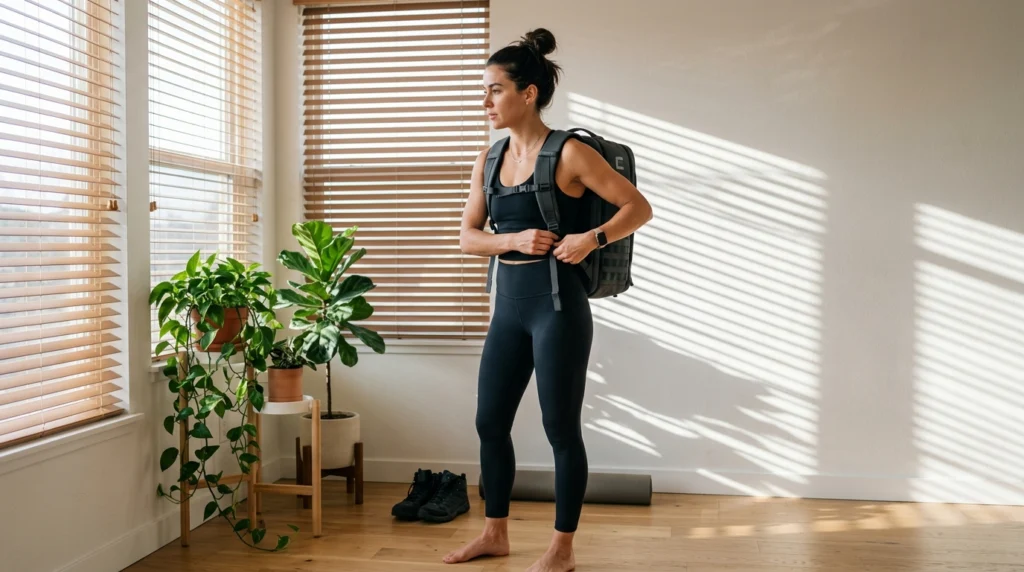
So what is Rucking exactly? If you take it down to the basics Rucking is just walking with a backpack.
That is all. No complicated gym machines, no steps and no expensive costs. Just you, some weight and the open space (or treadmill). In this guide we are going to explain exactly why walking with weight is becoming very popular how it changes your body and exactly how you can begin today even if you have not exercised in years.
The Origins: From Military Need to Popular Fitness
Before we talk about the “how ” lets talk about the “where.” Rucking is not an idea created in a special fitness place. It has roots in military training. The word comes from the word “rucksack” (military slang for a backpack). For years soldiers all over the world have trained by carrying heavy packs for long distances. It builds endurance, strength and mental strength.
However in years the fitness world discovered something important: you do not have to be training for special forces to get the benefits of carrying weight. By reducing the weight to a level that’s easy to handle Rucking becomes a strong workout for the average person who wants to be healthier burn fat and gain strength without hurting their joints.
Why is Everyone Excited About Weighted Walking? (The Main Benefits)
You might be asking, “I already walk for exercise. Why do I need to add weight?” Adding a little resistance changes a walk into a full-body workout. Here is exactly what happens when you start Rucking:
It’s a Calorie-Burning Tool
Walking is good for you. It is very efficient. Your body is used to moving its weight. When you add 10, 20 or 30 pounds to your back your body has to work harder. This means your heart rate increases. You burn a lot more calories than when you walk without weight. Some studies say Rucking can burn up to 3 times calories than walking at the same speed.
Active Resistance Training (Building Muscle While Doing Cardio)
cardio (like running or cycling) is good for your heart but does very little for your upper body or core strength. Rucking connects cardio and strength training.
The weight on your back makes your shoulders, traps and core work constantly just to keep you upright. At the time your glutes, hamstrings and quads have to work harder to move that extra weight with every step. You are building muscle. Doing cardio at the same time.
It’s Great for Posture (The “Anti-Desk” Workout)
If you spend eight hours a day bent over a computer or looking down at a phone your posture is probably getting worse. Rucking helps fix this. To carry a pack comfortably you must move your shoulders back lift your chest and work your core. Over time this helps you have upright posture even when you are not carrying the pack.
Low Impact on Joints (The Anti-Running)
Running is good. Lets be honest: the repeated hitting is hard on the knees, hips and ankles. That is why many people stop running because of injuries. Rucking gives the heart benefits of running but with the nature of walking. Since one foot is always on the ground there is no shock going up your legs. It is the choice for people who want to exercise but want to protect their joints.
Being Outside (The Mental Health Boost)
While you can Ruck on a treadmill the best part happens outside. Combining effort with fresh air and nature has a big effect on mental health. It lowers stress clears the mind and gives a needed break from screens and bright lights.
How to Start Rucking: A Beginners Step-by-Step Plan
Ready to try it? The good thing about Rucking is that it is easy to begin. You do not need a $300 bag to start. Here is a step-by-step guide to your Ruck:
Step 1: Pick Your Bag
For your very first time: Use whatever backpack you have at home. A school bag or a simple daypack will work perfectly for weights.
When you get serious: As you increase the weight you will eventually want a Ruck. These are made with padded straps, stronger stitching and often have a chest strap and waist belt to spread the weight evenly across your body instead of just on your shoulders.
Step 2: Pick Your Weight
Start Light! This is the important rule of Rucking. Do not start with 40 pounds. Your muscles and joints need time to get used to the weight.
Absolute Beginners: Start with 10% of your body weight (or 10-15 pounds).
How to add weight at home: You do not need weights yet. Wrap a few books, bricks or bags of rice in a thick towel (to stop sharp edges from hurting your back) and put them in the backpack. Keep the weight high and close to your back not hanging at the bottom.
Step 3: Pick Your Path and Length
For your time keep it simple. Choose a familiar path in your neighborhood or a local park. Aim for 1 to 2 miles. You may feel good during the walk. Your muscles (especially your traps and calves) will feel the new effort the next day.
Step 4: Pay Attention to Posture
As you walk focus on your form:Stand tall. Imagine a string pulling the top of your head up.Keep your shoulders back and down.Tighten your core ( pull your belly button toward your spine).Take natural steps. Do not try to take long steps.
Progression: How to Improve (In a Safe Way)
Once you have done your few 1-2 mile Rucks with light weight you will want to get better. The key is to get slowly.
You have three things you can change: Weight, Distance and Speed.
The Key Rule: Only change one thing at a time.
Week 1-2: Ruck 1-2 miles with 10-15 pounds, twice a week.
Week 3-4: Make the distance 3 miles (keep the weight the same).
Week 5-6: Add 5 pounds (reduce the distance back to 2 miles as you adjust).
Over time you can slowly go up to 20% or 30% of your body weight.. There is no rush. 15 Pounds gives big benefits.
Important Rucking Equipment (When You Are Ready to Improve)
While you can start with a school bag and some books buying a key items will make Rucking much more comfortable and fun as you get better:
A Good Ruck: Brands like GORUCK have made this popular and offer very strong bags but there are many affordable military or hiking backpacks that work well. Look for padded straps and a chest strap.
Ruck Plates: These are heavy weights made to fit into the laptop pocket of a Ruck. They keep the weight high and close to your spine stopping the bag from pulling you
Good Shoes: Because you are carrying weight your feet are under more pressure. Stop using running shoes. Choose hiking shoes, trail running shoes or special training shoes with good support and a firmer sole.
Merino Wool Socks: Blisters are the enemy of Rucking. Avoid 100% cotton socks, which hold moisture. Merino wool socks (like Darn Tough or Smartwool) keep your feet dry. Help stop blisters.
Who Should Not Try Rucking
While Rucking is usually safe it is not for everyone. If you have a history of back problems, spine issues or ongoing shoulder pain you should talk to a physical therapist or doctor before trying a heavy pack.
The Final Thoughts
Rucking takes away the parts of modern fitness. It does not need you to learn barbell moves remember a plan or pay for a costly monthly fee. It is natural, effective. Gets you outside.If you are looking for a way to break through a fitness wall burn more fat on your walks or build strong real-world strength that helps in everyday life take a backpack add some weight and go outside. The simplicity is the style.
Your journey to health might just be a walk in the park—, with a little extra baggage.