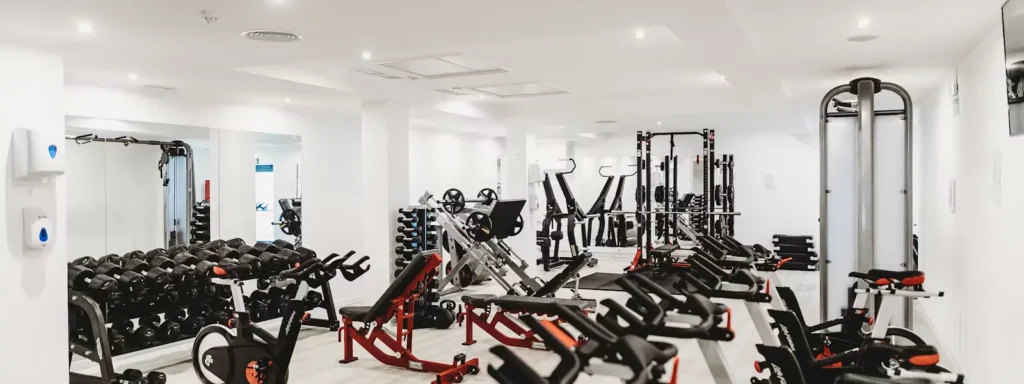
You don’t really need a power rack, a heavy Olympic barbell and some expensive rubber-floored garage to train with intent at home. Social media might make you feel like your home workout space isn’t legitimate unless it looks like a high-end commercial fitness center but that couldn’t be further from the truth.
A lot of what moves the needle in a home workout—consistency, progressive overload and a decent bit of variety—can come from a pretty small cheap equipment list. Like honestly it’s easier and more affordable than people think. You don’t need to empty your savings account or take out a personal loan just to get a good sweat in. Building a home gym on a budget is entirely possible if you know exactly what to look for and more importantly what to avoid. Lets break down how you can create an effective workout space in your own home without breaking the bank sacrificing your living space or compromising on the quality of your workouts.
Start With These Three Things
When people decide to start working out at home they often panic and buy everything they see in the sporting goods store. You don’t need to do that. To get going you really only need to think about three pieces of equipment: adjustable dumbbells (or a couple of fixed pairs that cover your light, medium and heavy lifting days) one or two versatile resistance bands and a sturdy box or bench.
With that combination you can cover almost every single movement pattern you will ever need for a comprehensive full-body setup. Think about it: dumbbells allow you to press, row, squat and hinge safely and effectively. Resistance bands are perfect for ups, shoulder mobility work and adding a completely different type of tension to your standard lifts. A solid bench or a plyometric box gives you the platform you need for step-ups, chest presses, split squats and seated exercises.
Usually this entire starting setup costs less than a few months of a regular commercial gym membership.. The absolute best part? This equipment doesn’t “expire” the way digital fitness programs or monthly gym passes do. Once you buy it you own it forever. You can easily find quality adjustable dumbbells online or even scour local online marketplaces for used gear. People are always clearing out their garages or moving meaning you can score some deals on barely-used weights if you are patient and keep your eyes open.
What You Can Skip At Initially
Knowing what not to buy is just as important as knowing what to buy when you are trying to build a home gym on a tight budget. Cable machines, specialty bars, massive treadmill decks and most of those gimmicky “as seen on TV” gadgets are, for the part, not a good early buy. They take up too much floor space cost an absolute fortune and honestly they usually end up becoming very expensive coat racks within a few months of purchase.
Bodyweight training paired with a dumbbell range will easily carry you through your first several months of strength work. You can get incredibly strong and fit by mastering push-ups, lunges, squats and dumbbell rows. You do not need a leg extension machine when a Bulgarian split squat with a pair of twenty-pound dumbbells will humble you just as quickly. Hold off on the flashy purchases until you have consistently trained at home for at least six months and you genuinely start to feel limited by your current gear. Save your earned money and master the absolute basics first.
Making Small Spaces Work
Not everyone has a spare two-car garage or a massive finished basement to dedicate exclusively to their fitness routine.. The good news is that you really don’t need one. A spare closet, a corner in your bedroom or even a small slice of your living room is more than enough space for most home sessions. If you have room to lie down flat on the floor and spread your arms out you have enough room to train effectively.
To make a small space highly functional grab an interlocking foam mat. It helps protect your hardwood or carpeted floors from getting scratched by dumbbells and provides a comfortable cushion for your joints at the same time. When you are shopping for your equipment prioritize folding or stackable gear. An adjustable weight bench that folds flat and slides neatly under your bed is a game-changer for apartment living. Adjustable dumbbells are another space-saver replacing an entire rack of traditional weights with just two compact blocks. By being smart about storage your gym gear won’t take over your living space when you’re not using it. You can pull it out get your workout done and tuck it away in than five minutes.
The Hidden Benefits of Training at Home
Aside from the financial savings of canceling that pricey monthly gym membership having your own setup brings a ton of hidden benefits that actually help you stay consistent with your routine.
Think about the time you save by not having to commute. There is no sitting in rush hour traffic no circling a parking lot looking for a spot and absolutely no waiting around for a stranger to finish texting on the equipment you need to use. Your home gym is always open, 24/7. It plays exactly the music you want to hear. This level of convenience removes almost all of the common excuses people use to skip a workout.
When the weights are sitting there in the corner of your room it takes more mental effort to avoid them than it does to just pick them up and knock out a quick twenty-minute session.. Training in private allows you to focus entirely on your form, your breathing and your effort without feeling self-conscious or worrying about who might be judging you. It is just you, your goals and the work that needs to get done.
When Upgrading Actually Makes Sense
So lets say you have been consistent. You are hitting your workouts every week. You are starting to notice that your bodyweight exercises and light dumbbell work just aren’t challenging you the way they used to. For beginners this usually happens after three to six months of steady committed training. This is the moment when upgrading your home gym actually makes sense.
Once bodyweight plus light dumbbell work stops being challenging the next logical budget-friendly upgrade is always a doorway pull-up bar. It is incredibly cheap takes up zero floor space and unlocks some of the back and core exercises in existence. Once you master the pull-up bar you can start looking for dumbbells or adjustable kettlebells to keep pushing your progressive overload.
If you eventually find yourself with space and a slightly bigger budget down the road that is the time to look into a barbell setup or a sturdy squat stand.. You should always let your actual strength levels dictate your purchases, not your initial excitement. Build your home gym slowly piece, by piece exactly as your fitness level demands it. This patient approach keeps your budget intact. Ensures that every single piece of equipment you own actually gets used to its full potential.