Imagine you are spending a Sunday afternoon in your kitchen. You are not. Spending time with your family. Every stove is being used. The sink is full of pots and pans. On your counter you have fifteen containers. Each container has the amount of dry chicken breast steamed broccoli and brown rice.You take a picture for media put them in the fridge and feel a little happy. Then Wednesday afternoon comes. You open the office fridge look at container number three and feel really sad. You would rather eat anything. By Thursday you are ordering takeout. By Friday the last two containers are in the trash.
If this sounds familiar you are not alone. Traditional meal prepping is often seen as the way to eat healthy and save time. For people it is strict, tiring and leads to not wanting to eat anymore. If you have tried this way and did not like it the problem is not your strength. The problem is the method itself.
There is a way to have the benefits of having food ready without feeling like you are eating the meal five days in a row. This needs a change in how you think about cooking food.
The Problem with the Old Way: Tupperware Fatigue
Before we look at the answer it helps to know why the old way of meal prep does not work for people. The main problem is that it is too strict. When you cook and put together meals in advance you are making a promise to yourself. You are assuming that the food you wanted on Sunday is what you will want on Thursday.
Peoples tastes usually change. Food is not just food; it is something to enjoy. Our cravings change based on our mood, the weather and how stressed we are. When you have to eat a meal you’re not interested in eating becomes something you do because you have to. This is called “Tupperware fatigue“. It is the reason people stop their meal prep.
Also pre-made meals do not last well in the fridge. Sauces make grains wet. Vegetables lose their crunch. Meat gets dry. By the end of the week you are eating food thats not fresh anymore.
The Answer: Prepare the Parts, Not the Whole
If you want to avoid eating the food every day the answer is simple: stop making complete meals. Instead focus on preparing parts.
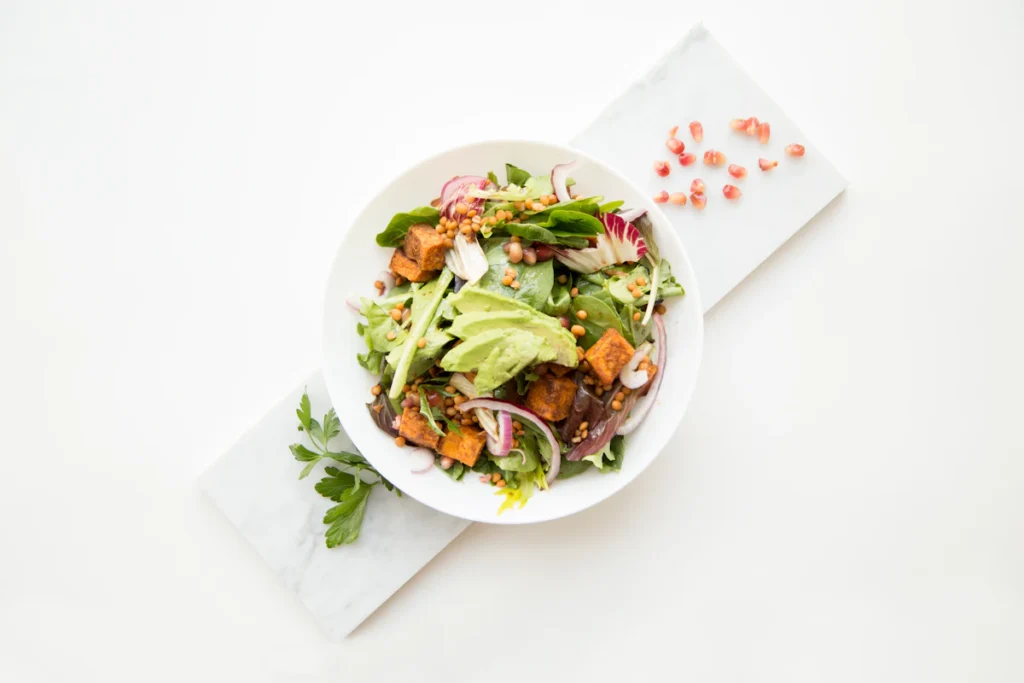
Preparing ingredients means cooking amounts of parts. Meat, grains and vegetables. And storing each part separately. Think of it like having your salad bar or burrito bowl setup in your kitchen.When you are ready to eat you take out the containers pick the parts you want put them together add a sauce and heat it. This takes time on Sunday and stops you from getting bored.
Here is how to make a flexible ingredient prep session.
1. Cook Versatile Meats
Meat is often the part to cook on a night so having it ready is a big help. Choose one or two types of meat for the week. Cook them in amounts.
The secret here is to use seasonings. If you cover your chicken with a sauce on Sunday you are stuck with that flavor all week. Instead season your meats with oil, salt, garlic and pepper. A nice roasted chicken can be sliced over a salad on Monday used in a wrap on Tuesday or added to a pasta on Wednesday.
Good meats to cook in batches include shredded chicken, browned meat, baked tofu and boiled eggs.
2. Make a Base of Grains
Next prepare your base of grains. Cooking grains from scratch can take a time, which is not good when you are tired and hungry.
Make a batch of rice, quinoa, farro or roasted sweet potatoes. These items stay good in the fridge. Keep their texture. Having a container of rice ready means you are just minutes away from a base for your meal.
3. Cook and Chop a Lot of Vegetables
Vegetables are often skipped when you are in a hurry so prep them in advance to make sure they are on your plate. You can do this in two ways.
The first is to get them ready. Wash, peel and cut carrots, peppers, celery and onions. Store them in sealed containers. Now if you want to make a stir-fry or an omelet the hard work is done.
The second way is to roast them. Toss broccoli, cauliflower, zucchini and tomatoes with oil and roast them until they are caramelized. Roasted vegetables are easy to store and add a lot of flavor to bowls, salads and wraps.
4. The Secret: Sauces and Flavors
If you are eating the old ingredients every day sauces are the way to keep your meals interesting. A bowl of chicken, rice and broccoli is a plate of food.
If you add salsa, lime and avocado to your chicken, rice and broccoli you have a nice dish. If you add soy sauce, sesame oil and sriracha to your chicken, rice and broccoli you have a different meal. If you use a lemon-tahini dressing on your chicken, rice and broccoli you have another dish.
To make things more exciting keep two or three sauces in your fridge. This way you can change the flavor of your chicken, rice and broccoli every day.
Keep It Real: The Two-, to-Three Day Rule
The biggest mistake people make when they are cooking is trying to cook for the week in one day. Do not do that.
Food safety says that cooked meat and vegetables should be eaten within three to four days. If you cook everything on Sunday your lunch on Friday is too late.
Instead use the two-to-three day rule. Prep enough for Monday, Tuesday and Wednesday. This saves a lot of time on Sunday often cutting it down to 45 to 60 minutes. You get your weekend back. Your food stays fresh.When Wednesday comes you can do a prep for Thursday and Friday. Plan to eat something quick like eggs on toast or even have takeout.
The Good Feeling of Flexible Prep
Changing from meal prep to flexible ingredient prep gives mental benefits. It makes decision fatigue less. You know you have healthy food ready so you do not have to panic about dinner.At the time it gives you control. You can look in the fridge. Ask, “What sounds good right now?” You choose your meal based on what you want which makes eating fun.It also stops the guilt when plans change. If a friend invites you out on Tuesday a full meal in the fridge might go bad. A container of quinoa and chicken will still be good, until Wednesday.
Eating well should not mean giving up your weekends or eating meals. By focusing on parts of meals you create a system that works for a busy life. Start small this weekend. Cook a batch of your grain roast some vegetables and prepare a meat. You will find that eating well feels like a choice, not a task.